
Filing your taxes in Vancouver isn’t rocket science, but honestly, it sure feels complicated. You’ve got federal rules, provincial rules, and a pile of credits that can change depending on your address. If you add more stuff in, like residency statuses, different types of incomes and new slips every year, it’s easy to get confused and make mistakes.
Lots of people end up searching “tax filing near me,” hoping someone else will sort the mess out, but here’s the thing: most mistakes are easy to avoid once you know what to look for.
Here are the seven biggest tax mistakes residents in Canada make and how you can avoid them:
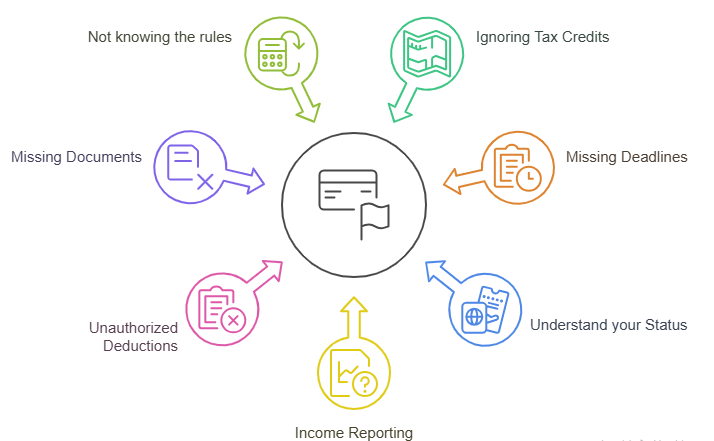
Mistake #1: Ignoring B.C. Provincial Tax Credits
A lot of people know about the federal credits they can access, but the reality is that most people do not consider all the credits they can apply for at the moment of submission of their annual declaration, causing them to totally miss out on some specific benefits. For example:
- B.C. Climate Action Tax Credit
- B.C. renter’s tax credit
- B.C. Sales Tax Credit
(Check all applicable Provincial and Territorial tax and credits here)
If you skip these, you’re basically saying no to free money.
How to avoid it: Check every year for both federal and provincial credits before you file.
Mistake #2: Missing Deadlines or Filing Late
The CRA doesn’t mess around with deadlines:
- April 30: Deadline to file your personal tax return and pay any taxes owed
- June 15: Deadline for Self-employed (but they still have to pay what they owe by April 30)

If you file late, you will face penalties and incur interest charges.
How to avoid it: Set a reminder in March. File early. Save yourself the stress!
Mistake #3: Mixing Up Your Residency Status
Tax residency isn’t the same as immigration status. Even if you’re a temporary worker or an international student, you might still count as a resident for tax purposes if you’ve got strong ties to Canada, a place to live, a car, a spouse, kids, that sort of thing.
If you are not sure, you can Determine your Residency Status here!
How to avoid it: Learn the terms resident, non-resident, deemed resident, deemed non-resident. They matter.
Mistake #4: Not Reporting All Your Income
If you’re a tax resident, Canada wants to know about every dollar you make, even outside the country. People often forget about:
- Tips
- Money from abroad
- Online income (Social network influencers, freelancers)
- Investment income
Check more information about Other employment income
How to avoid it: If you made money, report it. Even if you’re not sure. The CRA will probably find it anyway.
Mistake #5: Claiming Deductions You’re Not Allowed
Some people try to fool the system by claiming childcare they didn’t pay for, falsifying medical expenses, or misusing home office deductions. Others try to claim tuition when they’re not the student. Think twice before you try to claim benefits that don’t belong to your current situation.
How to avoid it: Double-check everything on the CRA website before you claim it. Make sure you qualify for them!

Mistake #6: Missing Slips or Using the Wrong Documents
Missing a single slip, like a T4 or T5, can change your refund, or even trigger an audit. Watch for:
- T4s (employment)
- T4As (side gigs or scholarships)
- T5s (investments)
- T2202s (tuition)
- T5007s (social benefits)
(Learn more about all Tax Slips)
How to avoid it: Log in to your CRA My Account. All your slips are right there.
Mistake #7: Trusting Free Tax Tools Without Knowing the Rules
Free tax software is handy, but if you just click through without really understanding the steps, you can still mess things up.
How to avoid it: Learn the basics. If your tax situation’s complicated, maybe hire a professional.
How to Avoid These Mistakes: Quick Tips for Residents
- Open a CRA My Account
- Keep a folder for tax stuff all year – Don’t get overwhelmed in April
- Track every bit of income, even the small stuff
- File early – It’s less stressful
- Check both federal and B.C. credits
- Know your residency status
- Ask questions if you’re stuck

If you’re tired of feeling lost or depending on someone else, look into our Tax Courses. They’ll actually teach you how to handle your Canadian taxes on your own, and you won’t feel like you’re wandering through a maze.